
Stress Awareness Month 2026: How Ayurveda Offers Lasting Relief from Stress, Anxiety & Burnout Naturally
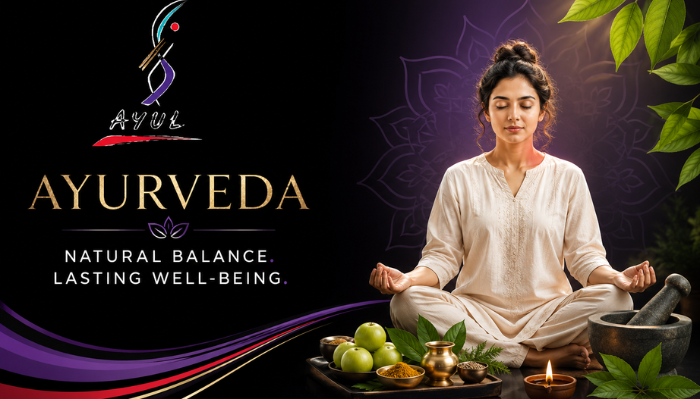
In today’s fast-paced world, stress has become one of the most common health challenges affecting people of all ages. From workplace pressure and financial uncertainty to digital overload and poor sleep habits, chronic stress is quietly impacting mental, emotional, and physical health worldwide.
As Stress Awareness Month 2026 highlights the growing need for mental wellness and stress management, more people are turning toward holistic healing systems that focus on long-term balance rather than temporary relief.
Among these, Ayurveda—the 5,000-year-old science of natural healing—offers one of the most effective and sustainable approaches to managing stress, anxiety, emotional exhaustion, and burnout.
Instead of simply suppressing symptoms, Ayurvedic Consultation helps identify and correct the root causes of imbalance, creating lasting mental resilience and overall well-being.
Why Stress Awareness Month 2026 Matters More Than Ever
Stress Awareness Month has been observed every April since 1992 to encourage conversations around stress management, emotional health, and mental well-being. The 2026 campaign continues to emphasize awareness, prevention, resilience, and proactive self-care.
Recent workplace wellness reports indicate rising levels of burnout, emotional fatigue, and chronic stress globally. Experts increasingly recognize that unmanaged stress contributes not only to anxiety but also to sleep disorders, cardiovascular issues, weakened immunity, digestive problems, and reduced quality of life.
Modern lifestyles have created a constant state of stimulation, making stress management an essential part of preventive healthcare.
What Causes Chronic Stress According to Ayurveda?
Ayurveda views stress as a disruption in the natural harmony between the mind, body, and spirit.
The body’s functioning is governed by three biological energies known as Doshas:
- Vata (movement and nervous system)
- Pitta (metabolism and transformation)
- Kapha (stability and structure)
When these energies become imbalanced, mental and emotional disturbances begin to appear.
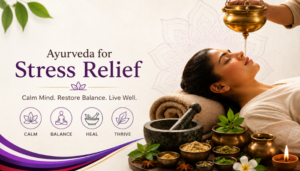
Signs of Vata-Induced Stress
Excess Vata often causes:
- Anxiety
- Restlessness
- Overthinking
- Fearfulness
- Insomnia
- Nervousness
Signs of Pitta-Induced Stress
High Pitta may result in:
- Irritability
- Frustration
- Anger
- Perfectionism
- Burnout
Signs of Kapha-Related Emotional Imbalance
Excess Kapha can contribute to:
- Emotional heaviness
- Lack of motivation
- Mental sluggishness
- Mild depression
Ayurveda focuses on restoring Dosha balance through personalized therapies, nutrition, herbal support, and lifestyle modifications.
How Stress Impacts the Body Beyond Mental Health
Many people assume stress only affects emotions. In reality, chronic stress influences nearly every major system in the body.
Long-term stress may contribute to:
- Poor sleep quality
- Digestive disorders
- Hormonal imbalance
- Reduced immunity
- Frequent headaches
- Fatigue
- Weight fluctuations
- Elevated blood pressure
- Brain fog
- Reduced concentration
Research and workplace wellness studies continue to show increasing burnout rates and stress-related health concerns across modern populations.
This is why effective stress management requires a holistic approach.
How Ayurveda Helps Reduce Stress and Anxiety Naturally
Unlike conventional solutions that often focus solely on symptom relief, Ayurveda aims to strengthen the body’s natural ability to adapt to stress.
Its approach includes:
1. Nervous System Regulation
Ayurvedic therapies calm an overstimulated nervous system and encourage deep relaxation.
2. Hormonal Balance
Many Ayurvedic herbs help support healthy cortisol levels and improve the body’s stress response.
3. Better Sleep Quality
Restorative sleep is considered essential for emotional healing and mental clarity.
4. Emotional Resilience
Ayurveda promotes sustainable lifestyle practices that strengthen mental stability over time.
Best Ayurvedic Herbs for Stress Relief and Anxiety Management
Ashwagandha: The Most Popular Ayurvedic Adaptogen
Ashwagandha is widely known for helping the body adapt to stress.
Benefits include:
- Supports healthy cortisol levels
- Improves sleep quality
- Reduces anxiety symptoms
- Enhances energy and stamina
- Improves emotional resilience
Why Ashwagandha Is Trending in 2026
As more people seek natural alternatives for stress management, Ashwagandha remains one of the most researched Ayurvedic herbs for emotional well-being.
Brahmi for Mental Clarity and Calmness
Traditionally used to support brain health, Brahmi helps:
- Improve focus
- Enhance memory
- Reduce mental fatigue
- Promote emotional balance
Jatamansi for Relaxation and Sleep Support
Jatamansi is valued for its calming effects on the nervous system.
Benefits:
- Encourages restful sleep
- Helps manage anxiety
- Supports emotional stability
Shankhpushpi for Cognitive Wellness
This Ayurvedic herb is often used to:
- Improve concentration
- Reduce mental exhaustion
- Support stress recovery
Ayurvedic Therapies That Promote Deep Relaxation
Shirodhara Therapy
One of Ayurveda’s most recognized therapies for stress management.
During Shirodhara, warm herbal oil is gently poured over the forehead in a continuous stream.
Potential benefits include:
- Reduced anxiety
- Improved sleep quality
- Better emotional balance
- Nervous system relaxation
Abhyanga (Ayurvedic Oil Massage)
Abhyanga combines therapeutic oils with rhythmic massage techniques.
Benefits include:
- Reduced muscle tension
- Better circulation
- Enhanced relaxation
- Lower stress response
Nasya uses herbal oils administered through the nasal passages to support mental clarity and nervous system health.
Ayurvedic Diet for Stress Management
Food has a direct influence on emotional and mental well-being.
Foods That Help Calm the Mind
Ayurveda recommends:
- Warm cooked meals
- Seasonal fruits
- Ghee
- Soaked almonds
- Herbal teas
- Whole grains
- Fresh vegetables
Foods That Can Increase Stress
Limit:
- Excess caffeine
- Refined sugar
- Processed foods
- Alcohol
- Artificial additives
- Excessively spicy foods
Maintaining regular meal timings is equally important for emotional balance.
Daily Ayurvedic Practices for Mental Wellness
Meditation
Even 10–15 minutes daily can help:
- Reduce anxiety
- Improve focus
- Increase emotional awareness
Pranayama (Breathwork)
Helpful techniques include:
- Nadi Shodhana
- Bhramari
- Deep diaphragmatic breathing
These practices help calm the nervous system and support mental clarity.
Sleep Before 10 PM
Ayurveda emphasizes early sleep to support hormonal balance, emotional recovery, and cognitive health.
Digital Detox
One of the fastest-growing wellness trends in 2026 involves reducing excessive screen exposure and creating technology-free recovery periods.
Why Ayurveda Is Becoming a Preferred Stress Management Solution in 2026
The global wellness movement is shifting toward preventive healthcare and root-cause healing.
People increasingly seek solutions that:
- Address chronic stress naturally
- Improve long-term well-being
- Reduce dependency on temporary fixes
- Support emotional resilience
- Enhance quality of life
This aligns closely with Ayurvedic principles of balance, prevention, and sustainable wellness. Stress Awareness Month 2026 continues to encourage proactive approaches that prioritize long-term mental health and resilience.
How Sidhayur Supports Holistic Stress Relief
At Sidhayur, we believe true wellness begins with balance.
Our Ayurvedic approach combines:
- Personalized consultations
- Authentic Ayurvedic therapies
- Herbal wellness support
- Lifestyle guidance
- Preventive health practices
By addressing the root causes of stress and anxiety, we help individuals move toward greater calm, clarity, and emotional well-being.
Final Thoughts
Stress may be a reality of modern life, but chronic stress does not have to define your health.
This Stress Awareness Month 2026, take the opportunity to invest in your mental well-being through natural, sustainable practices.
Ayurveda offers a comprehensive path to healing by supporting the mind, body, and nervous system together. Whether you’re experiencing anxiety, burnout, emotional fatigue, or sleep disturbances, Ayurvedic wisdom provides practical solutions for achieving lasting balance and resilience.
Book a consultation now : Sidhayur
Address – 226 East 54th st, 7th floor, New York, NY 10022
Frequently Asked Questions (FAQ)
Q1. What is Stress Awareness Month 2026?
Stress Awareness Month is an annual campaign observed every April to raise awareness about stress, mental health, emotional well-being, and effective stress management strategies.
Q2. Can Ayurveda help reduce stress naturally?
Yes. Ayurveda uses herbal remedies, lifestyle modifications, nutrition, meditation, and therapeutic treatments to help manage stress and restore emotional balance.
Q3. Which Ayurvedic herb is best for anxiety?
Ashwagandha is considered one of the most effective Ayurvedic herbs for reducing stress, supporting relaxation, and improving resilience to anxiety.
Q4. How does Ayurveda treat chronic stress?
Ayurveda addresses chronic stress through personalized treatment plans that may include herbal support, therapies like Shirodhara, dietary recommendations, sleep optimization, and stress-reduction practices.
Q5. Is Ayurveda effective for burnout recovery?
Many Ayurvedic therapies focus on restoring energy, improving sleep quality, calming the nervous system, and helping the body recover from prolonged emotional and physical stress.
Q6.What are the best daily Ayurvedic habits for mental wellness?
Meditation, pranayama, regular sleep schedules, balanced nutrition, oil massage, and mindful living are among the most recommended Ayurvedic practices for maintaining mental well-being.
Categories
- Categories
- Blog (27)
- Information (85)
- News (7)
Latest Post
- Ayurvedic Doctor Appointment NYC: What to Expect
- Best Ayurvedic Doctor in NYC: A Guide to Personalized Ayurvedic Care
- Ayurveda for Hair Loss: Natural Hair Growth Solutions
- Ayurvedic Migraine Consultation: Personalized Natural Care for Headache Relief
- Can Ayurveda Help Arthritis? A Natural Pain Relief Guide
- Best Panchakarma Center in New York: Your Path to Holistic Wellness